

You bit down on something hard and felt that sickening crack. Now you're staring at a chipped tooth in the mirror, wondering what to do next. Don't panic. A chipped tooth is one of the most common dental emergencies, and with the right approach, you can protect your smile and avoid serious complications. Whether it's a minor chip or significant damage, this guide will walk you through everything you need to know about chipped tooth repair, costs in Canada, and how to get the help you need - even if finances are tight.
Immediate actions for a chipped tooth
When you discover a chipped tooth, your first instinct might be to panic. Take a deep breath. Here's exactly what you need to do right now to protect your oral health and minimize damage.
First steps to take immediately
Schedule a dental appointment as soon as possible. Only a qualified dentist can properly assess the severity of your tooth damage and recommend appropriate treatment. Even if the chip seems minor, underlying damage to the tooth enamel or nerve could lead to serious problems if left untreated. If a large piece of your tooth broke off, save it immediately. Place the tooth fragment in a glass of milk - this helps preserve the tissue and increases the chances your dentist can reattach it. Don't rinse the fragment with water or try to clean it yourself. Protect the damaged area right away. Cover sharp edges with dental wax, sugar-free gum, or even a piece of gauze to prevent cuts to your tongue or cheek. Continue your regular brushing and flossing routine, but be extra gentle around the chipped tooth area and make sure to remove any food particles.
Managing pain and discomfort
For immediate pain relief, take over-the-counter medications like acetaminophen or ibuprofen according to package directions. These help reduce both pain and inflammation around the damaged tooth. Rinse your mouth gently with warm salt water several times a day. Mix half a teaspoon of salt in a cup of warm water. This natural remedy helps reduce bacteria and soothe irritated tissues. If you're experiencing persistent pain, apply an ice pack to the outside of your cheek for 15-20 minutes at a time. Never apply ice directly to the tooth, as this can increase sensitivity and cause more damage. Stick to soft foods and avoid using the injured tooth for chewing. Cold or hot foods and drinks can trigger sharp pain if the chip has exposed the tooth's nerve.
- Severe pain that doesn't respond to pain medication
- Heavy bleeding from the mouth
- Signs of infection like swelling, fever, or pus
- Large pieces of tooth missing
- Extreme sensitivity to hot or cold
Understanding your tooth damage
Not all chipped teeth are created equal. Understanding the type and severity of your tooth damage helps you make informed decisions about treatment and gives you realistic expectations about costs and recovery time.

What happens when a tooth chips
When your tooth chips, a fragment of the protective tooth enamel breaks away. Tooth enamel is the hardest substance in your body, but it can still crack under pressure from hard foods, accidents, or grinding. The chip can range from a barely noticeable cosmetic issue to serious structural damage that affects the entire tooth. The location of the chip matters significantly for both treatment options and costs. Front teeth chips are usually more noticeable and may require cosmetic dentistry solutions like veneers. Back teeth chips often need more functional repairs like crowns or bonding.
Common causes of chipped teeth
Understanding what caused your chipped tooth can help prevent future damage. The most common culprits include: Biting down on hard foods like ice cubes, nuts, hard candy, or popcorn kernels. Your teeth aren't meant to be tools, so avoid using them to open packages or crack nuts. Sports injuries and accidents account for many chipped teeth, especially in contact sports. A mouth guard can prevent most sports-related trauma. Teeth grinding, also called bruxism, gradually weakens tooth enamel and makes chips more likely. Many people grind their teeth at night without realizing it. Falls or direct blows to the face can cause immediate tooth damage. This is particularly common in children and older adults.
Risk factors that increase your chances
Certain factors make you more susceptible to chipped teeth :
- Existing tooth decay weakens enamel structure
- Previous dental work like large fillings
- Age over 50, when enamel naturally becomes more brittle
- GERD (acid reflux) that exposes teeth to stomach acid
- A diet high in sugary or acidic foods and drinks
- History of teeth grinding or jaw clenching
Treatment options for chipped teeth
The good news? Modern dentistry offers excellent solutions for chipped tooth repair. Your treatment will depend on the size of the chip, its location, and your budget. Let's break down your options from simple to complex.
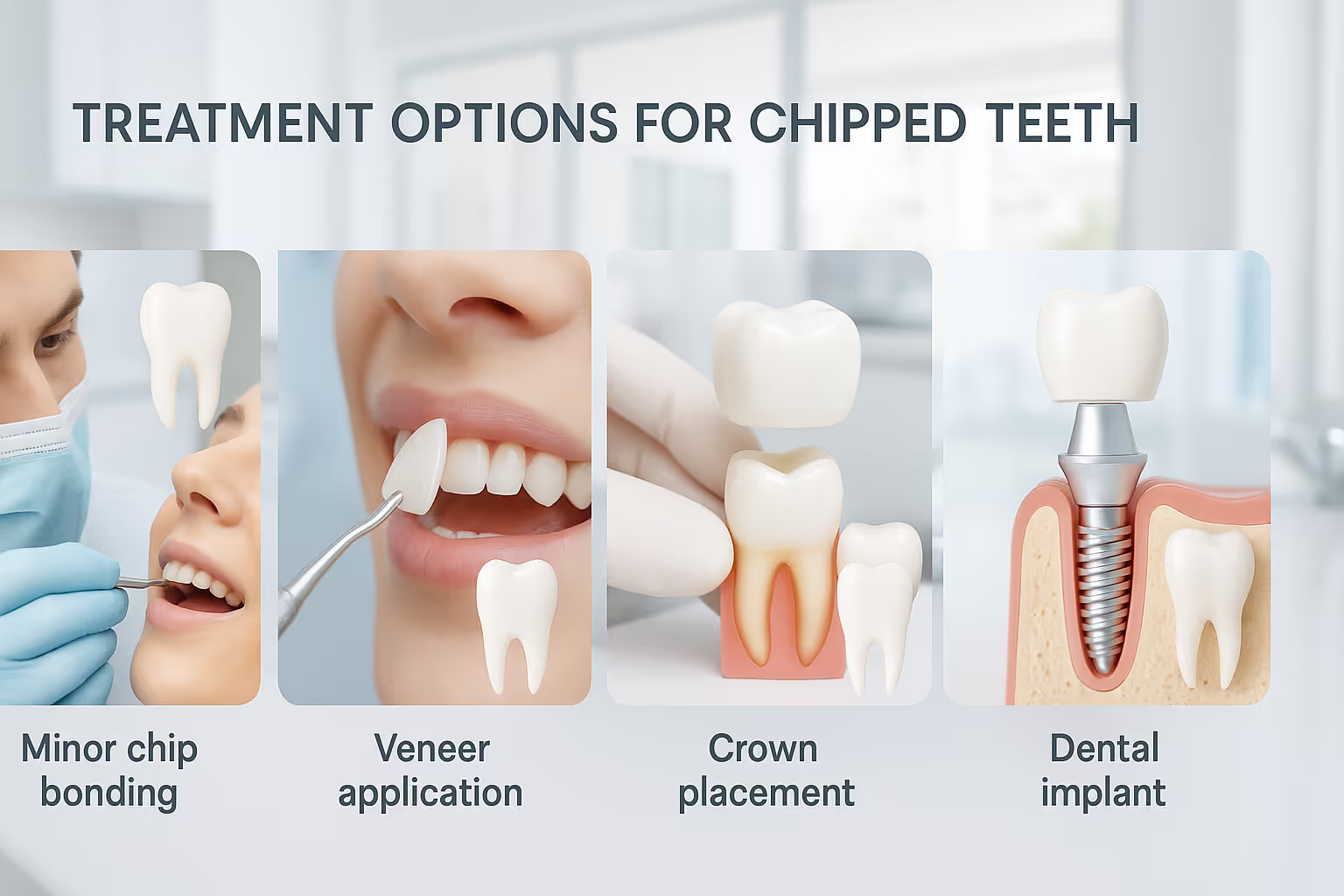
Minor chips: Quick and affordable fixes
For very small chips that don't cause pain, polishing might be all you need. Your dentist simply smooths the rough edges, usually completing the procedure in a single visit. This is often the most affordable option for minor cosmetic issues. Bonding is the most popular treatment for minor to moderate chips. Your dentist applies a tooth-colored resin material, shapes it to match your natural tooth, and hardens it with a special light. The entire bonding procedure typically takes 30-60 minutes and usually doesn't require anesthesia. Bonding can last 3-10 years with proper care and is significantly less expensive than other cosmetic dentistry options.
Moderate damage: Restoring function and appearance
Veneers work well for chips on front teeth where appearance is crucial. These thin porcelain shells cover the front surface of your tooth, creating a perfect smile. Veneers last 10-20 years but require removing some healthy enamel, making the process irreversible. Traditional fillings using materials like composite resin, metals, or glass ionomer can effectively repair chips, especially on back teeth where function matters more than appearance.
Severe damage: Comprehensive restoration
When a large portion of your tooth is damaged, crowns provide the most durable solution. A crown is essentially a tooth-shaped cap that covers your entire damaged tooth. The procedure usually requires two visits spaced 2-3 weeks apart while a custom crown is created. If the chip exposes your tooth's nerve, you'll likely need a root canal treatment followed by a crown. This combination procedure removes infected pulp, seals the canal, and protects the remaining tooth structure.
Extreme cases: Complete tooth replacement
For severely damaged teeth with little remaining structure, implants offer a permanent solution. While this is the most time-consuming and expensive option, implants can last a lifetime with proper care.
| Treatment type | Best for | Duration |
|---|---|---|
| Bonding | Minor to moderate chips | 3-10 years |
| Veneers | Front teeth cosmetic issues | 10-20 years |
| Crowns | Large chips, structural damage | 15-30 years |
Chipped tooth repair costs and pricing
Let's talk about the elephant in the room: money. Emergencies never come at a convenient time, and the costs can feel overwhelming. Here's what you can expect to pay for chipped tooth treatment across Canada.
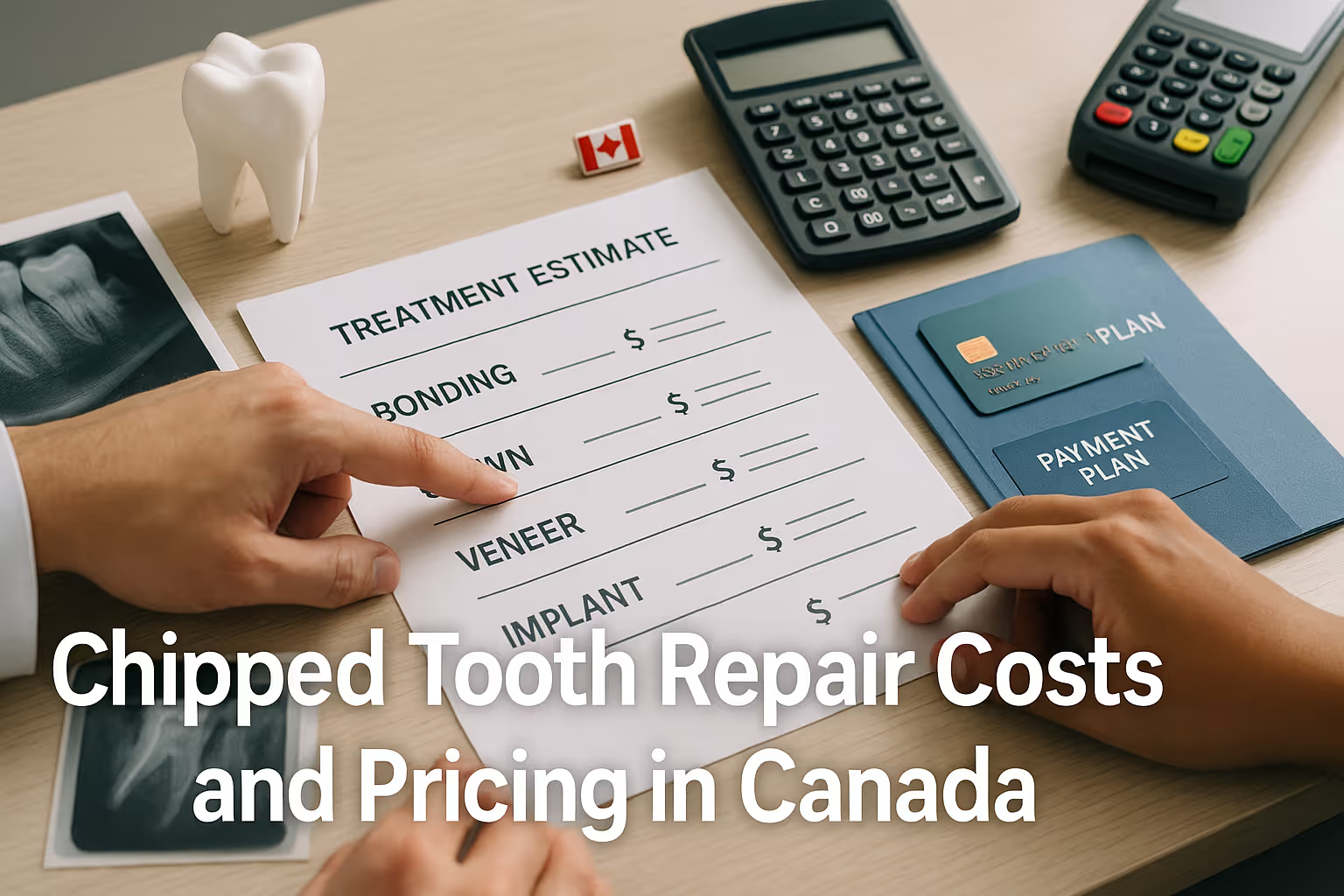
Treatment cost ranges in Canada
| Treatment | Cost range (CAD) | Typical duration |
|---|---|---|
| Bonding | $100 - $400 | 3-10 years |
| Veneers | $800 - $2,500 | 10-20 years |
| Crowns | $1,000 - $3,000 | 15-30 years |
| Root canal + crown | $1,500 - $3,500 | Lifetime with care |
| Implants | $3,000+ | Lifetime |
These costs vary significantly based on several factors. The severity of your tooth damage directly impacts the price - a simple chip requiring bonding costs much less than extensive damage needing a crown. Location matters too, with urban centres typically charging more than rural areas. The specific tooth location affects pricing as well. Front teeth often require more aesthetic considerations, potentially increasing costs for cosmetic procedures. Your dentist's experience and the materials chosen also influence the final bill.
Money-saving strategies for care
Don't let cost prevent you from getting necessary treatment. Here are proven ways to reduce your expenses: Get referrals from friends and family to find skilled dentists who offer fair pricing. Many excellent dentists build their practices on word-of-mouth recommendations rather than expensive marketing. Compare prices between clinics, but remember that the cheapest option isn't always the best value. Look for dentists who offer transparent pricing and detailed plans. Consider schools for discounted services. Supervised students provide quality care at reduced rates, though treatment may take longer. Negotiate payment plans with your dentist. Many practices offer flexible payment options, especially for emergency treatments.
What to Do When You Need Emergency Care Now
The strategies above are great, but they don't solve the immediate problem: you are in pain, and your dentist requires payment upfront. You should not have to suffer for weeks or let a small chip become a major, more expensive infection simply because you don't have the cash on hand.
This is exactly the gap that modern alternative lenders are designed to fill.
Instead of delaying treatment, you can get immediate financing to cover the full cost of your procedure.
These services are built for emergencies:
- Loan Boys acts as a lender network. You fill out one simple application, and they connect you with multiple lenders who compete for you, helping you find a payment plan that fits your monthly budget—even if your credit isn't perfect.
- AvenaWise operates as a direct lender. This cuts out the middleman and is built for speed, often sending the funds you need directly to your account within minutes of approval.
This approach allows you to get the critical care you need today and pay for it in manageable installments, rather than choosing between your health and your finances.
Insurance coverage in Canada
Understanding your insurance options can significantly reduce your out-of-pocket costs for chipped tooth repair. Canada offers both public and private coverage options.

Canadian Dental Care Plan (CDCP)
The new Canadian Dental Care Plan provides coverage based on your family income. Here's how it breaks down:
| Family income | CDCP coverage | Your payment |
|---|---|---|
| Under $70,000 | 100% | 0% |
| $70,000-$79,999 | 60% | 40% |
| $80,000-$89,999 | 40% | 60% |
This federal program can significantly reduce costs for eligible Canadians, especially for medically necessary treatments like bonding or crowns for damaged teeth.
Private insurance
Most private insurance plans cover chipped tooth repair differently depending on whether the treatment is considered medical or cosmetic. Bonding for functional repair typically receives 50-80% coverage, while purely cosmetic treatments like veneers may not be covered at all. Crowns and root canal treatments usually qualify for partial coverage when medically necessary. Always verify your specific coverage before beginning treatment, and ask your dentist about costs not covered by insurance.
Finding emergency dental care
When you're dealing with a chipped tooth, finding the right care quickly becomes a priority. Here's how to locate emergency services and what to expect.
Emergency services
Most major Canadian cities have emergency clinics that operate outside regular business hours. These clinics specialize in urgent care and can provide immediate relief for severe pain or trauma. If you're experiencing severe pain, heavy bleeding, or signs of infection, don't wait for regular business hours. Emergency rooms can provide pain management and antibiotics if needed, though they typically can't perform procedures. For less urgent situations, many offices reserve time slots for emergency patients. Call your regular dentist first - they know your history and may be able to see you quickly.
Questions to ask your dentist
Come prepared with these important questions :
- How serious is the damage to my tooth?
- What treatment options are available for my specific situation?
- How many visits will the repair require?
- What's the total cost, and what payment options do you offer?
- How can I prevent future chips?
- What happens if I delay treatment?
Red flags requiring immediate attention
Seek immediate care if you experience :
- Severe, persistent pain that doesn't respond to over-the-counter medication
- Swelling around the affected tooth or in your face
- Fever, which could indicate infection
- Difficulty swallowing or breathing
- Continuous bleeding from the mouth
Prevention and long-term care
The best treatment for a chipped tooth is preventing it from happening in the first place. Here's how to protect your teeth and maintain excellent oral health.
Protective measures for your teeth
Wear a mouth guard during contact sports or any activity where facial injury is possible. Custom-fitted guards from your dentist offer the best protection, but over-the-counter options are better than nothing. If you grind your teeth at night, invest in a nightguard. Teeth grinding puts enormous pressure on your enamel and significantly increases your risk of chips and cracks. Avoid using your teeth as tools. Don't open packages, crack nuts, or bite non-food items. Your teeth are designed for eating, not as multipurpose tools.
Dietary considerations for strong teeth
Limit hard foods that can damage teeth, including ice cubes, hard candies, and popcorn kernels. When you do eat harder foods, chew carefully and use your back teeth. Reduce sugary and acidic foods and drinks that weaken tooth enamel over time. If you consume acidic beverages, use a straw to minimize contact with your teeth. Stay hydrated to maintain healthy saliva production. Saliva helps neutralize acids and wash away food particles that can contribute to tooth decay.
Regular care routine
Schedule routine checkups every six months. Regular cleanings and examinations help identify potential problems before they become expensive emergencies. Address tooth decay promptly when your dentist identifies it. Cavities weaken tooth structure and make chips more likely. If you have GERD or acid reflux, work with your doctor to manage the condition. Stomach acid can significantly weaken tooth enamel over time.
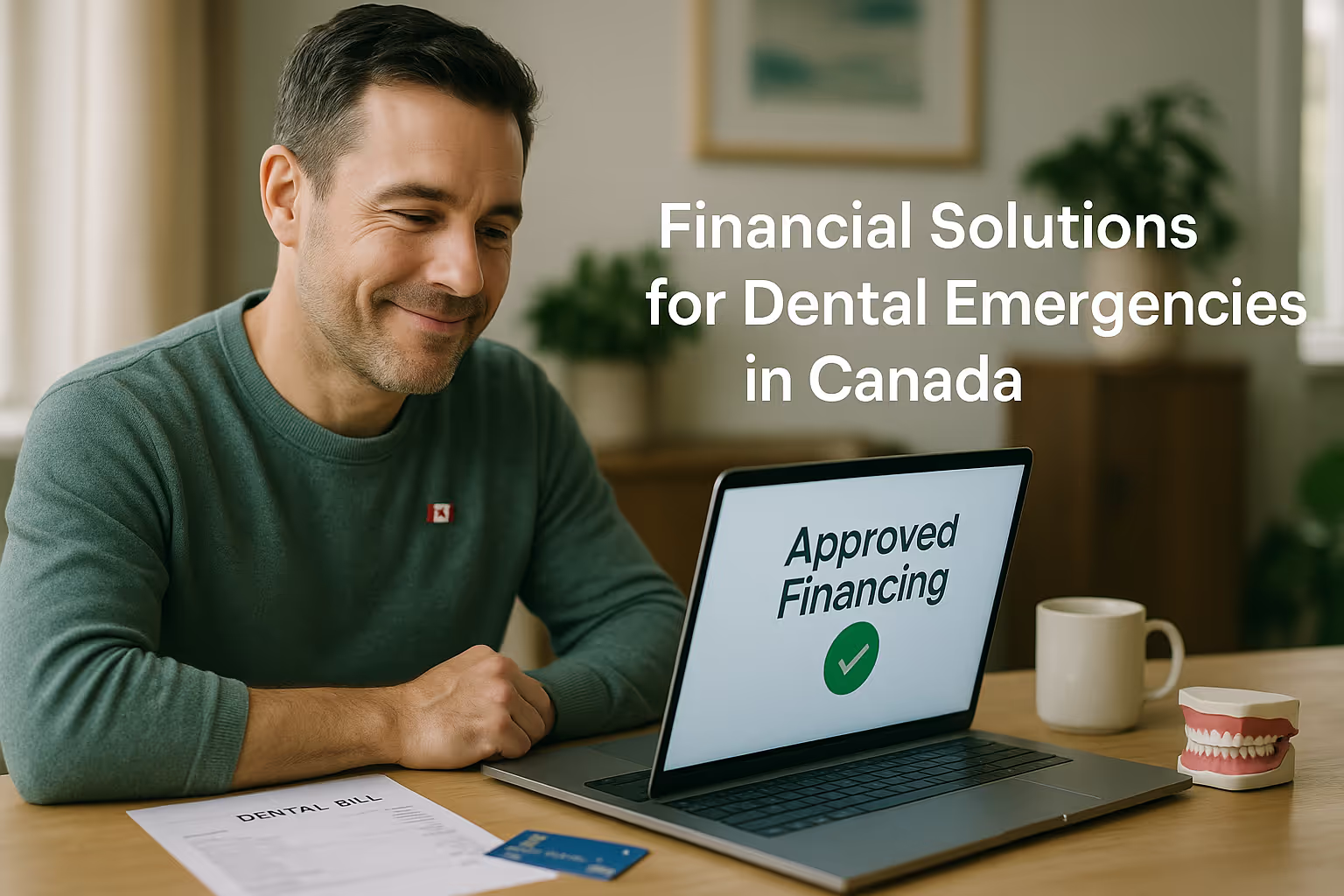
Financial solutions for dental emergencies
We understand that emergencies can create significant financial stress, especially when you're already dealing with budget challenges. You shouldn't have to choose between your oral health and your financial stability.
When costs exceed your budget
Emergencies don't wait for convenient timing. If you're facing unexpected costs and don't have emergency savings, you have options. Many Canadians find themselves in similar situations, and there's no shame in needing financial help for essential healthcare. Quick funding solutions can help bridge the gap between your immediate needs and your ability to pay.
The Modern Solution: Get Treatment Now, Pay Later
When you're in pain, you can't wait days for a traditional bank to approve a loan. You need a "Yes" or "No" today so you can get treated. This is the exact problem modern alternative lenders are designed to solve. Unlike slow, traditional options, these solutions are built for speed and accessibility, even if your credit isn't perfect.
For Competitive Rates and Choice:
Loan Boys
If you want to ensure you get the most affordable payment plan, a lender network like Loan Boys is your best bet. You fill out one simple application, and they connect you with multiple lenders who compete for your business. This lets you compare offers and choose the best rate and term that fits your monthly budget.
For Blazing-Fast Speed:
AvenaWise
If your priority is getting cash-in-hand as fast as humanly possible, a direct lender like AvenaWise is the answer. Because they cut out the middleman, they can make an instant decision and often transfer the funds directly to your account within minutes of approval.
Both options give you the power to pay your dentist on the spot, turning a stressful "I can't afford this" emergency into a manageable monthly payment.
Stop Waiting in Pain. Get Treated Today.
Delaying treatment can turn a $400 chipped tooth into a $3,000 root canal. Don't let upfront costs force you to wait.
Whether you need funds in minutes from AvenaWise or want to compare competitive offers from Loan Boys, you have instant options to get the care you deserve. Click below to see what you're eligible for in under 2 minutes.
[Check Your Options Now]
Making informed financial decisions
When considering funding options for care, compare terms carefully. Consider the long-term costs of delaying treatment versus getting help now. Untreated problems often become more expensive over time, making early intervention a smart financial decision. Remember that investing in your oral health is investing in your overall well-being. Problems can affect your ability to eat, speak, and feel confident in social and professional situations.
Conclusion
A chipped tooth doesn't have to derail your life or your budget. With prompt action, appropriate treatment, and the right financial planning, you can restore your smile and protect your oral health. Remember these key points: seek professional care quickly, understand your treatment options, and don't let financial concerns prevent you from getting necessary care. Whether you need simple bonding or more extensive treatment like crowns, solutions exist for every situation and budget. Your oral health directly impacts your overall quality of life. A healthy smile boosts confidence, improves nutrition, and prevents more serious health problems down the road. Take action today to address your chipped tooth and explore all available options for both treatment and funding.
About the author
Every figure in this guide is checked against its primary source and dated. Drafts are prepared with AI assistance and edited by a person before publication.


.png)




.jpg)
.svg)
.svg)


