

Struggling to rent an apartment with bad credit? You're not alone. Thousands of Canadians face rental rejections due to poor credit scores every month. But here's the truth: having bad credit doesn't mean you can't find a decent place to call home. With the right strategies, documentation, and approach, you can secure rental housing even with a credit score below 600. This comprehensive guide will show you exactly how to navigate the rental market, work with landlords, and find housing solutions that fit your situation.
Let's start with the reality check. When landlords check credit reports, they're looking for reassurance that you'll pay rent on time. Your credit score tells a story about your payment history, debt management, and financial reliability. Understanding where you stand is the first step to improving your rental prospects.
Credit score ranges and what they mean for rent
In Canada, credit scores range from 300 to 900. Here's how your score affects your rental application:
The average Canadian credit score sits around 660, which means if you're below this threshold, you'll need to work harder to convince landlords. But remember - there's no universal minimum credit score required to rent. Different landlords have different standards.
What landlords really look for beyond credit scores
When landlords check credit reports, they're examining several key factors:
- Payment history - This accounts for 35% of your credit score and shows how consistently you pay bills
- Debt-to-income ratio - Most landlords prefer tenants earning 3-4 times the monthly rent
- Outstanding debts - The type and amount of debt matters more than you might think
- Bankruptcies - These stay on your credit report for 7+ years but aren't always deal-breakers
- Collections accounts - These are red flags, but you can explain circumstances
- Eviction history - This is often more concerning to landlords than bad credit
Understanding these factors helps you address potential concerns proactively in your rental application.
Now let's get practical. These strategies can help you rent an apartment with bad credit starting today. The key is preparation, transparency, and showing landlords you're a responsible tenant despite past financial challenges.

Documentation and transparency approach
Honesty is your best policy when renting with bad credit. Landlords appreciate tenants who are upfront about their credit challenges rather than trying to hide them.
Here's what to include in your transparency approach:
- Be upfront about credit issues before landlords check credit
- Provide context for your bad credit (medical bills, job loss, divorce)
- Show evidence of financial recovery and stability
- Demonstrate current income and employment stability
- Highlight any positive changes in your financial situation
Financial proof strategies that work
When your credit score can't speak for you, let your bank account do the talking. Financial documentation can often overcome credit concerns.
Essential financial documents to prepare:
- Bank statements showing 4+ months of rent in savings
- Employment verification including recent pay stubs and employment letter
- Proof of stable income demonstrating you earn enough to cover rent
- Offer larger security deposit within legal limits for your province
- Prepayment option - offer to pay several months upfront if possible
Many landlords will overlook bad credit if you can demonstrate financial stability through savings and steady income. Having 3-6 months of rent in the bank shows you're prepared for financial emergencies.
References that make a difference
Strong references can compensate for weak credit. Focus on gathering references that speak to your reliability and character:
- Previous landlord references - Emphasize on-time rent payments
- Employment references - Character and reliability testimonials
- Credit references - From banks or creditors where you have good relationships
- Personal references - Professional contacts who can vouch for your character
- Rent payment receipts - Proof of past on-time payments
If you're struggling to rent with bad credit, a co-signer or guarantor might be your ticket to housing success. These arrangements provide landlords with additional security while giving you access to better rental options.

How co-signers work in rental applications
A co-signer becomes legally responsible for rent payments if you default. This significantly reduces the landlord's risk and can make them more willing to overlook your bad credit score.
Most co-signers are family members or close friends who trust your ability to pay rent. Remember, this is a serious financial commitment for them, so approach the conversation with respect and transparency about your situation.
Guarantor vs co-signer: understanding the difference
Both options provide security for landlords, but guarantors face less immediate risk. Discuss both options with potential supporters to see which arrangement works better for your situation.
When traditional rental applications aren't working, it's time to think creatively. Alternative rental options often have more flexible requirements and can be perfect for people with bad credit.

Working with different types of landlords
Not all landlords are the same. Some are more flexible about credit requirements than others:
- Private landlords - Individual property owners are often more flexible than large management companies
- Small-scale investors - People renting out condos, basement apartments, or houses
- Owner-occupants - Homeowners renting out part of their property
- Newer landlords - Those who may be less rigid about credit check requirements
Creative housing arrangements
Think beyond traditional apartment rentals. These alternatives often have lower barriers to entry:
- Shared accommodations - Room rentals in existing households
- Subletting - Rent from an existing tenant rather than the landlord
- Joint leases - Partner with someone who has good credit
- Rent-to-own agreements - Build equity while renting
- Cooperative housing - Community-based housing with lower costs
- Furnished rentals - Often have different qualification criteria
Strategic location and timing choices
Where and when you look for rentals can significantly impact your success rate:
- Suburban areas - Less competition than downtown cores
- Smaller cities - More affordable options with flexible landlords
- Off-peak seasons - Winter months typically have lower demand
- Community boards - Facebook groups, local classifieds, community centers
- University areas - During summer when students leave
Knowing your rights protects you from discrimination and ensures you're treated fairly during the rental process. Canadian tenant rights vary by province, but there are important protections you should understand.

Provincial regulations that protect you
Each province has specific rules about credit checks and rental requirements:
Your rights during credit checks
Understanding your rights helps you navigate the rental process confidently:
- Written permission required - Landlords must get your consent for credit checks
- Information limits - They cannot ask for your date of birth in some provinces
- SIN optional - You can provide your Social Insurance Number but it's not required
- Data protection - Ask how your personal information will be stored and protected
- Dispute rights - You can challenge discriminatory practices
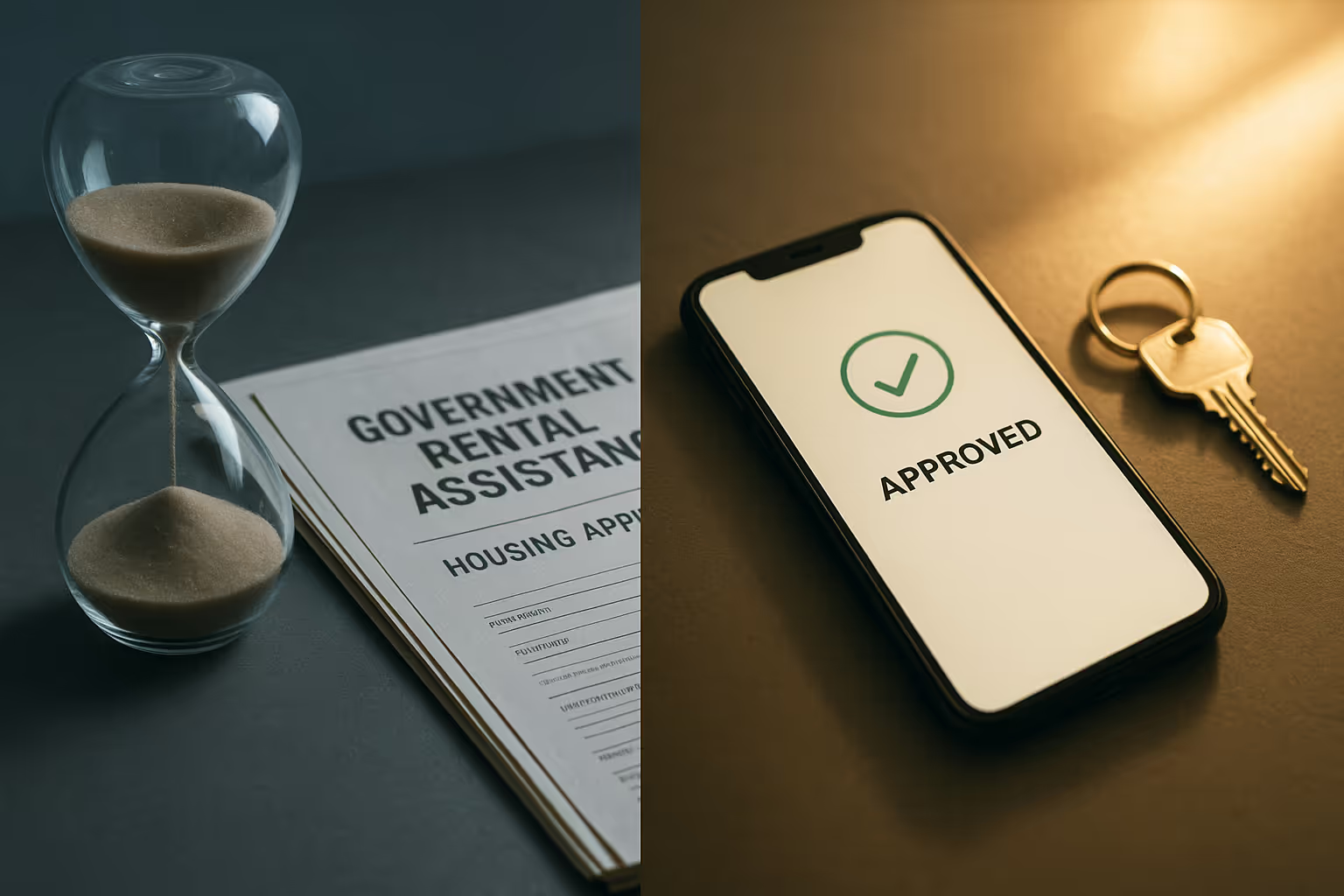
Don't overlook government programs designed to help Canadians with housing challenges. These programs can provide financial assistance and make renting more affordable, even with bad credit.
Federal assistance programs
The Canadian government offers several programs to help with housing costs:
- Canada Housing Benefit (CHB) - Direct financial support for eligible renters
- Emergency rental assistance - Available in some provinces for eviction prevention
- First-time homebuyer programs - If you're considering buying instead of renting
Provincial rental assistance programs
Each province offers additional support programs:
- Ontario Housing Stability Benefit - Assistance with last month's rent and utility arrears
- BC Rental Assistance Program (RAP) - Helps low-income working families
- Rent supplement programs - Subsidies covering part of monthly rent
- Community housing programs - Non-profit affordable housing options
- Emergency housing funds - Short-term assistance for housing crises
Bridging the gap with alternative lenders
While government programs offer vital long-term support, they often come with lengthy waiting lists. In a competitive rental market, landlords won't wait weeks for your application to be processed. This is where modern alternative lenders bridge the gap.
If you need immediate funds to secure a lease, Loan Boys connects you with a vast network of lenders to find a payment plan that fits your budget, regardless of your credit history. For those who need cash instantly to put down a deposit, AvenaWise operates as a direct lender, often transferring funds within minutes. These solutions give you the "cash in hand" power you need to sign the lease today while waiting for longer-term assistance to kick in.
While you're apartment hunting, you can work on improving your credit score for future applications. Some improvements can happen quickly and make a real difference in your rental prospects.

Quick wins for credit improvement
These strategies can improve your credit score in weeks or months:
- Review your credit report - Check for errors with Equifax or TransUnion Canada
- Dispute inaccuracies - Corrections can provide immediate score boosts
- Pay down credit card balances - Reduce utilization below 30%
- Avoid new credit applications - Prevent hard inquiries before rental applications
- Set up automatic payments - Ensure all bills are paid on time going forward
Timeline for credit improvements
Understanding how long credit improvements take helps you plan your rental search:
When you're desperate for housing, it's easy to overlook warning signs. Protect yourself by recognizing red flags that indicate potential problems or scams.

Be cautious of these warning signs:
- "No credit check" apartments - Often poorly maintained or overpriced
- Excessive late fees - Predatory practices targeting vulnerable renters
- Upfront cash payments - Legitimate landlords accept cheques or e-transfers
- Pressure tactics - Good landlords allow time for decision-making
- Requests for personal information - Before viewing the property
- Too-good-to-be-true pricing - Significantly below market rates
Protecting yourself during the search
Stay safe while apartment hunting:
- Always view properties in person before applying
- Verify landlord identity and property ownership
- Get all agreements in writing
- Keep copies of all documentation
- Trust your instincts about people and properties
Success in renting with bad credit often comes down to how you present yourself and your application. These practical tips can make the difference between rejection and acceptance.

Application strategy that works
Treat your rental application like a job interview:
- Be organized and professional - Have all documents ready and organized
- Prepare a complete package - Include everything upfront to speed up the process
- Submit multiple applications - Don't put all your hopes on one property
- Follow up appropriately - Show continued interest without being pushy
- Dress professionally - First impressions matter during property viewings
Negotiation strategies that landlords appreciate
Good negotiation can help you secure a rental even with bad credit:
- Longer lease terms - Offer 18-24 month leases for stability
- Property maintenance help - Offer to assist with upkeep for reduced rent
- Seasonal timing - Negotiate during low-demand periods
- Payment schedule flexibility - Offer bi-weekly or different payment arrangements
- Utilities inclusion - Sometimes easier than reducing base rent
Remember, negotiation isn't just about price. Sometimes offering stability, reliability, or additional services can be more valuable to a landlord than a higher rent payment.
While you're working on securing your current rental, it's smart to think about building credit for future housing needs. Building strong credit takes time, but the benefits extend far beyond just renting apartments.

Free credit building tools in Canada
Take advantage of free resources to build your credit:
- Free credit monitoring - Use services like Credit Karma or Borrowell to track progress
- Secured credit cards - Build credit with a small deposit
- Credit builder loans - Small loans designed specifically to build credit
- Rent reporting services - Some services report rent payments to credit bureaus
- Utility bill reporting - Ensure positive payment history gets reported
Learning from successful renters
Many Canadians have successfully transitioned from bad credit to excellent rental prospects. Here's what they learned:
- Patience pays off - Credit building is a marathon, not a sprint
- Consistency matters - Small, regular payments are better than large, irregular ones
- Track your progress - Monitor your credit score monthly to stay motivated
- Celebrate small wins - Every 10-point increase in your credit score matters
- Plan ahead - Start building credit before you need it for your next rental






.jpg)

.svg)
.svg)


